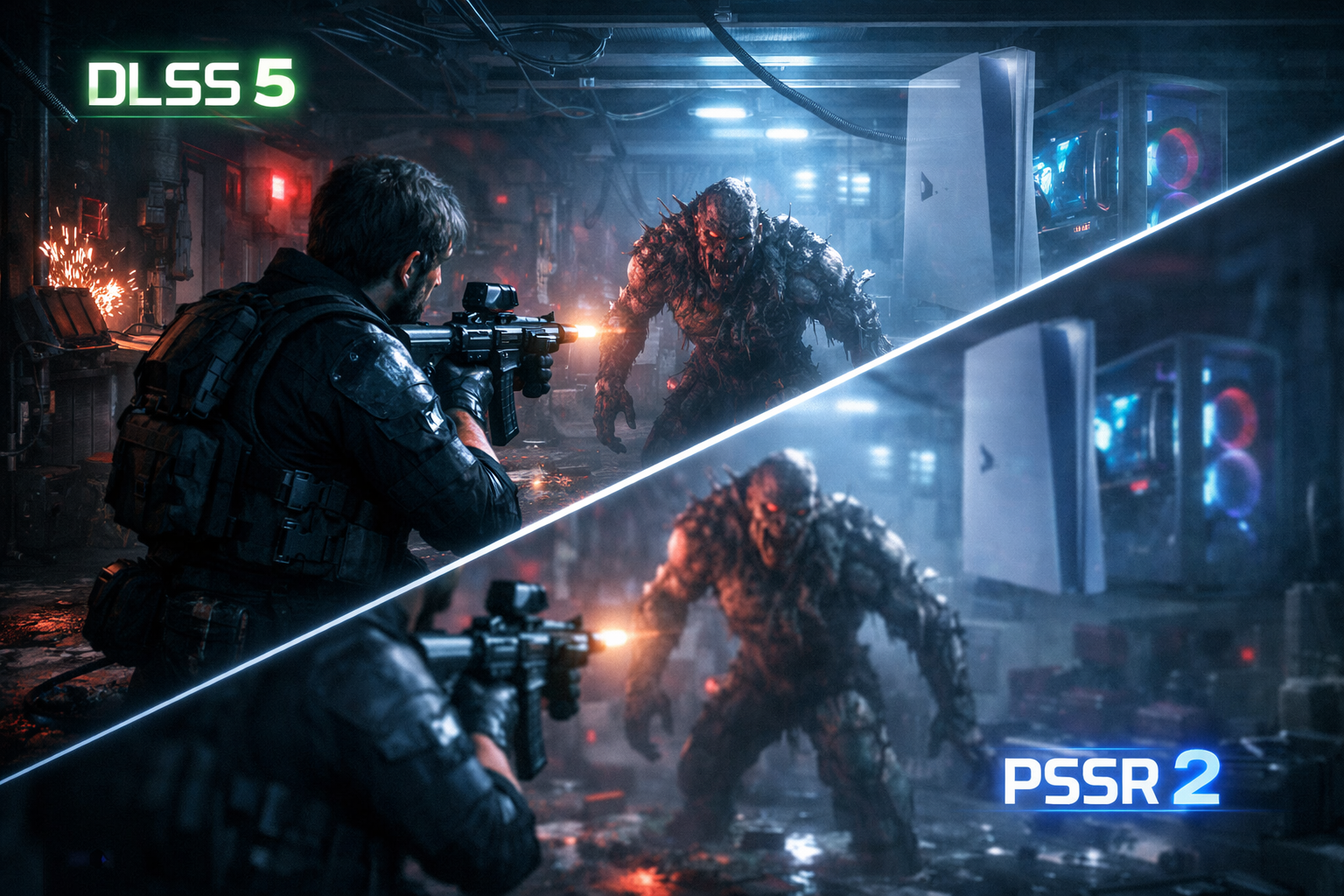
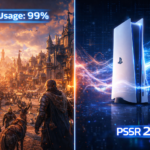
The Angle: Reviewers (like Gizmodo) just went hands-on with the latest PSSR 2 update on PS5 Pro today.
The Technical Shift: PSSR 1.0 vs. PSSR 2.0
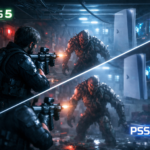
The original PSSR that launched with the PS5 Pro was a “Gen 1” AI upscaler. It was good, but it suffered from “ghosting” in fast-moving scenes (like F1 24 or Spider-Man 2).
The “Neural” Upgrade: The 2.0 update, which hit consoles this week, introduces a Temporal Feedback Loop similar to DLSS 3.7.
The Result: It now uses data from previous frames to “predict” where pixels should be, drastically reducing the shimmering on thin objects like power lines, fences, and hair.
The Comparison: PSSR 2.0 vs. NVIDIA DLSS 5
This is the core of your “SpecRun” analysis. How does a $700 console stack up against a $2,000 PC?
Hardware vs. Software: DLSS 5 relies on dedicated Tensor Cores in the RTX 50-series. PSSR 2.0 runs on a custom AI Accelerator within the PS5 Pro’s GPU (roughly 16.7 Teraflops of power).
The “Visual IQ” Gap: While DLSS 5 is moving toward Neural Rendering (re-imagining lighting), PSSR 2.0 is still primarily a Spatial-Temporal Upscaler.
The Verdict: PSSR 2.0 successfully brings “PC-like” 4K clarity to consoles at 60 FPS, but it lacks the “generative” lighting details that DLSS 5 provides in path-traced titles like Cyberpunk 2077.
The “Game-Changer”: Legacy Support
One of the most interesting parts of the 2.0 update is the “Boost Mode” for unpatched games.
PSSR 2.0 can now be “forced” onto older PS4 and PS5 games that haven’t received an official Pro patch.
Early tests show games like Bloodborne and Red Dead Redemption 2 looking significantly cleaner on a 4K display, even without a native resolution bump, thanks to the AI’s ability to “denoise” older textures.